Selling
Selling a Home in Queens, NY: The Complete Step-by-Step Guide
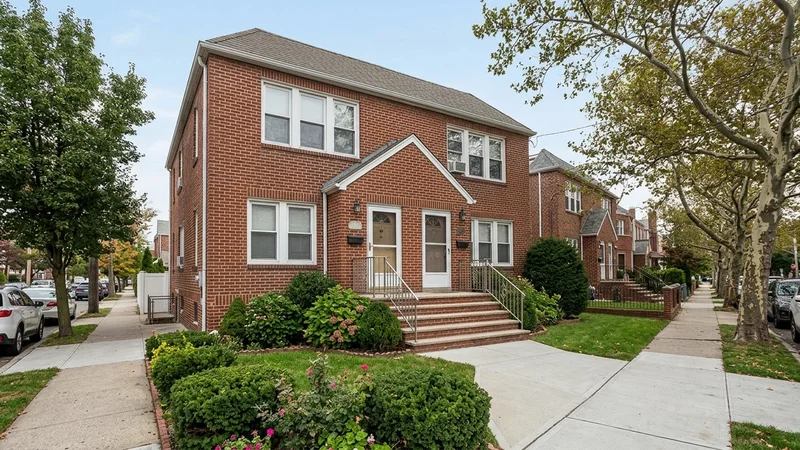
Selling a Queens home moves through twelve clear steps, from the first conversation to the move itself. Here is what happens at each stage, who is involved, and what to prepare for.
On this page
Steps 1 and 2: a conversation, then a value
Step 1 is an initial consultation with Adam and the DreamHouse Team NYC. It is a chance to talk about why you are selling, where you want to go next, and any timing that feels fixed before anything else happens.
Step 2 is understanding your home’s value. That means looking at comparable recent sales nearby, the condition of the house, and how many similar homes buyers can choose from right now. It sets realistic expectations for everything after it.
Neither step commits you to listing. Together they give you the information you need to decide whether, and when, selling makes sense.
Step 3: prepare the property
Preparation is about helping buyers see the home clearly. Fixing items that could come up at inspection, a thorough cleaning, and clearing out extra belongings usually matter more than large renovation projects.
Long-owned Queens homes often have basements, attics, and garages full of years of storage. Sorting early makes every later step easier, from photos to showings to the day you finally hand over the keys.
If you are not sure which repairs are worth it, ask before you spend. A local agent can tell you what buyers in your part of Queens tend to notice first, and an inspector or contractor can confirm the scope and cost of any specific work.
Step 4: set a pricing strategy
A pricing strategy is more than a number. It weighs recent comparable sales, current buyer demand, how quickly you want to move, and how you plan to respond to early interest once the listing is live.
Pricing well from the start tends to bring stronger attention early on. Pricing too high can mean the listing sits while buyers watch and wait for a price change, which is harder to recover from.
Since the market keeps moving, ask Adam for current comparable sales in your part of Queens rather than relying on older figures or online estimates.
Steps 5 to 7: marketing, launch, and showings
Once the price is set, the home goes in front of buyers. These three steps usually happen close together, and each one builds on the last:
- Step 5: professional photography and marketing materials
- Photos, a clear description, and online exposure that show the home at its best before anyone visits
- Step 6: launch the listing so it reaches buyers and their agents
- Step 7: showings and open houses, scheduled around your routine whenever possible
During showings, a tidy home, good light, and a little flexibility on timing help buyers picture themselves living there. Feedback from each visit also guides the next steps.
Steps 8 to 12 at a glance
Once an offer comes in, the work shifts toward paperwork and coordination. This table shows what happens in each remaining step and who is usually involved:
| Who is usually involved | Notes | |
|---|---|---|
| Step 8: evaluate offers and terms | You, Adam | Compare price, terms, and financing |
| Step 9: contract | Attorneys and inspector | Contract signed, home inspected |
| Step 10: appraisal, financing | Buyer’s lender, appraiser | Lender confirms value and the loan |
| Step 11: closing | Attorneys, title, lender | Documents signed and keys handed over |
| Step 12: next chapter | You, with Adam’s help | Move out and settle in well |
Contract, inspection, and financing details are specific to each deal, so confirm them with your real estate attorney and lender.
What sellers in Queens can expect day to day
Between listing and closing, most of the work is communication. Agree early on how you want updates, whether that is a call after each showing weekend or a short written summary whenever something changes. Predictable updates keep stress down.
Clients who sold with Adam often mention marketing, negotiation, and steady follow-up as the parts that made the difference. Adam has worked in Queens real estate since 2001, and the DreamHouse Team at Keller Williams Realty Landmark II works across Queens, North Brooklyn, and Nassau County.
Selling in the areas we serve
Each area has its own buyers and its own housing mix. A few quick notes on the neighborhoods the team works in most:
- Maspeth and Middle Village: compare sales block by block
- Ridgewood and Glendale: know your property type and how it is used
- Greenpoint, North Brooklyn: a distinct market from Queens
- Nassau County: different taxes and housing styles, so plan ahead
If you are selling in Maspeth, Middle Village, Ridgewood, Glendale, Greenpoint, or Nassau County, Adam Krzesniak and the DreamHouse Team can walk you through all twelve steps, starting with a first conversation about your home and your plans.
This article is educational and reflects publicly available information. It is not legal, tax, financial, medical, or estate-planning advice. SRES is a real estate credential, not a legal or care specialty. Confirm estate, tax, and care questions with qualified advisors, and confirm current listings and pricing with a licensed New York real estate professional.

Written by